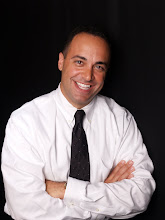
Here is a look at my newest Speaker Video...Check it out!
Tuesday, May 13, 2008


Can You Influence Trust?
Today I was fortunate enough to sit-in on a conference call with Stephen M.R. Covey who wrote “The Speed of Trust”. His call was on the topic of trust and he asked participants to forward on to him a question regarding the difficulties they face in implementing trust into their daily lives (Both personal and professional).
Stephen brought up a great topic right off the bat. He said that one of the things that he’s noticed since publishing the book is that there has been so much “ripe” headlines that challenged trust. With the foreclosure market going crazy, gas prices hitting new highs, executives receiving record compensation levels, etc… there is no shortage of examples from which to choose! What’s a poor agent of trust to do? What all of this negative press leads to is a tremendous amount of distrust. Worse yet, people being people actually reciprocate this lack of trust towards others first and foremost! This leads to a downward spiral of trust. We don’t even give people the benefit of the doubt, we look at them with downward trust eyes.
This made Mr. Influence think…”Could there be a lesson from the ‘Science of Influence’ at work here?” Guess what, there is! Trust as you know, is the capstone skill you must possess for success in order to become an “Influential Leader” (Check out the book…You’ll love it!). If everyone is in a position of distrust and we are giving it right back to them, then we actually have two of the principles at play…Reciprocation and Social Norm.
How does the “Influential Leader” break away from the pack and make headway in a world that’s gone sans-trust? First they will have to initiate the giving of trust to the other party. Why? Because without giving trust first, nothing will happen. But what if I do not receive trust in return? You might not! Which is why the second point is strict measurement/evaluation. The “Influential Leader” must measure the return amount of trust. Now this isn’t to say measure it to the point of “keeping score” on a severity level. Instead, just measure whether the other party returned anything at all! Regardless of the size of the trust returned (Big or Small gesture), just say that you received trust. The evaluation of trust involves determining sooner rather than later if any trust was returned. Why? Because if none was returned, then continued deposits of trust may not be in your best interest (But certainly in the other party’s best interest…Just like they’d like it!).
So can you influence trust? The answer, YES! Remember, the “Influential Leader” gives first, gives often, but measures/manages who receives trust and how often to make certain that it is going to the right people!
Stephen brought up a great topic right off the bat. He said that one of the things that he’s noticed since publishing the book is that there has been so much “ripe” headlines that challenged trust. With the foreclosure market going crazy, gas prices hitting new highs, executives receiving record compensation levels, etc… there is no shortage of examples from which to choose! What’s a poor agent of trust to do? What all of this negative press leads to is a tremendous amount of distrust. Worse yet, people being people actually reciprocate this lack of trust towards others first and foremost! This leads to a downward spiral of trust. We don’t even give people the benefit of the doubt, we look at them with downward trust eyes.
This made Mr. Influence think…”Could there be a lesson from the ‘Science of Influence’ at work here?” Guess what, there is! Trust as you know, is the capstone skill you must possess for success in order to become an “Influential Leader” (Check out the book…You’ll love it!). If everyone is in a position of distrust and we are giving it right back to them, then we actually have two of the principles at play…Reciprocation and Social Norm.
How does the “Influential Leader” break away from the pack and make headway in a world that’s gone sans-trust? First they will have to initiate the giving of trust to the other party. Why? Because without giving trust first, nothing will happen. But what if I do not receive trust in return? You might not! Which is why the second point is strict measurement/evaluation. The “Influential Leader” must measure the return amount of trust. Now this isn’t to say measure it to the point of “keeping score” on a severity level. Instead, just measure whether the other party returned anything at all! Regardless of the size of the trust returned (Big or Small gesture), just say that you received trust. The evaluation of trust involves determining sooner rather than later if any trust was returned. Why? Because if none was returned, then continued deposits of trust may not be in your best interest (But certainly in the other party’s best interest…Just like they’d like it!).
So can you influence trust? The answer, YES! Remember, the “Influential Leader” gives first, gives often, but measures/manages who receives trust and how often to make certain that it is going to the right people!
Subscribe to:
Comments (Atom)